
Search Minnesota Police Blotter Records
Minnesota police blotter records are public documents that you can request from any sheriff's office or city police department in the state. The state has 87 counties, and each one manages its own law enforcement data under the Minnesota Government Data Practices Act. Some counties post police blotter logs online each week. Others require you to submit a written request. If you want to find an incident report, look up an arrest, or search for public safety records in a specific area, this page points you to the right office and the right source for Minnesota police blotter data.
Minnesota Police Blotter Records Overview
What Minnesota Police Blotter Records Show
A police blotter is a log of calls, incidents, and arrests that law enforcement handles over a set period. In Minnesota, each sheriff's office and municipal police department keeps these logs as part of their daily operations. The blotter might cover a single shift or a full week. What it shows depends on the agency publishing it. Most blotters include the type of incident, a general location, and a short description. Some include names and charge details once an arrest is made.
Public arrest data in Minnesota contains the name, age, sex, and last known address of any adult who was arrested. It also includes the time, date, and place of arrest, along with the charge or citation. The agency and officers involved are also public. This data is governed by Minnesota Statutes § 13.82, which specifically covers what law enforcement must make public and what can be kept private.
The Minnesota Government Data Practices Act (Chapter 13) is the foundation of all public records access in the state. Under this law, most government data is public unless it falls into one of the listed exceptions. The screenshot below shows the full text of Chapter 13 at the official Minnesota legislature site.
The Minnesota Legislature publishes Minnesota Statutes Chapter 13, the Data Practices Act that governs all public records access in the state.
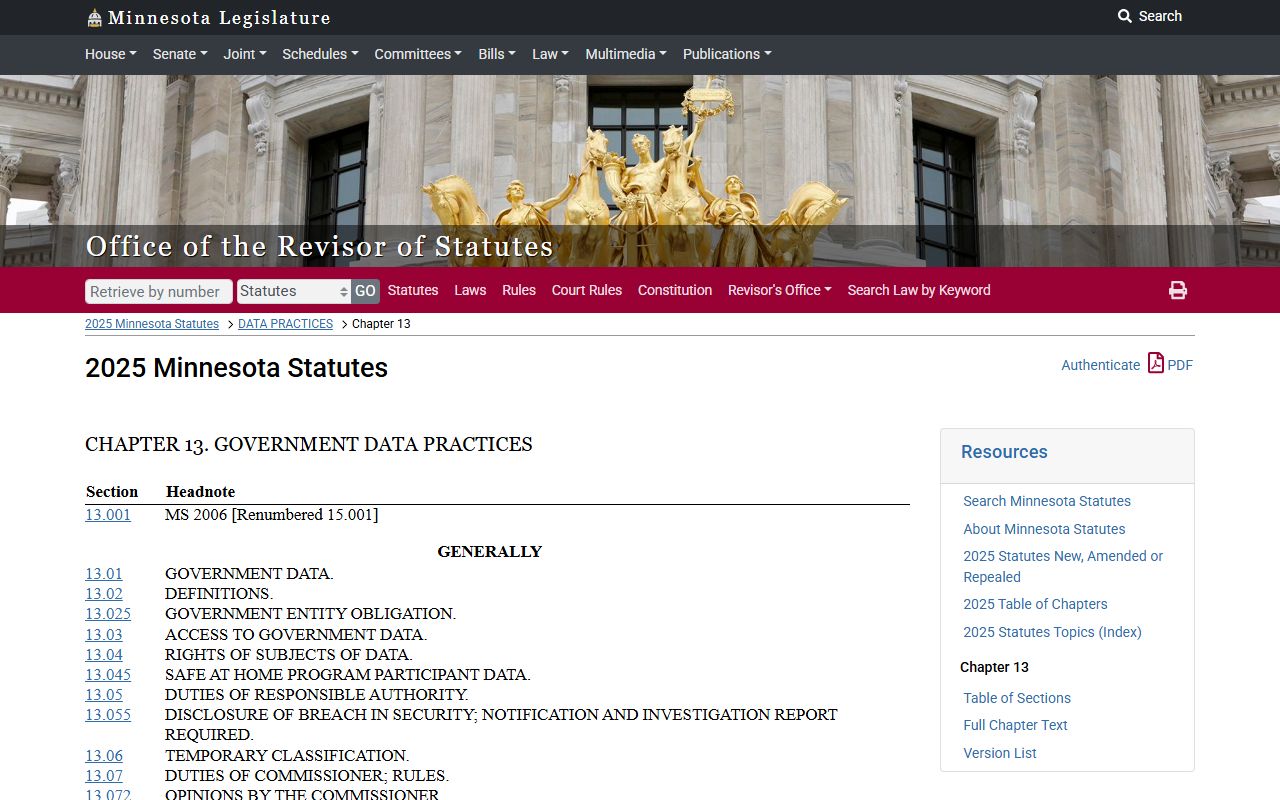
Chapter 13 gives every person the right to inspect public government data, including police blotter logs, incident reports, and arrest records from agencies across Minnesota.
The Minnesota Government Data Practices Act
The Minnesota Government Data Practices Act classifies all government data into one of four types: public, private, confidential, or protected nonpublic. Public data is open to anyone. You do not have to explain why you want it or who you are. Private data is available only to the subject of the record. Confidential data is restricted even from the person it is about. Most police blotter information falls under the public category.
Under Minnesota Statutes § 13.82, law enforcement agencies must make certain data public. This includes the nature of any request or complaint, the name and address of the person who made the request, and the time and date it was made. It also covers the response and the incident report number. Once an arrest is made, the name, charges, booking information, and legal basis for the arrest are all public data.
Section 13.82 of the Minnesota Government Data Practices Act covers exactly what law enforcement agencies must disclose and what they may withhold from public records requests.
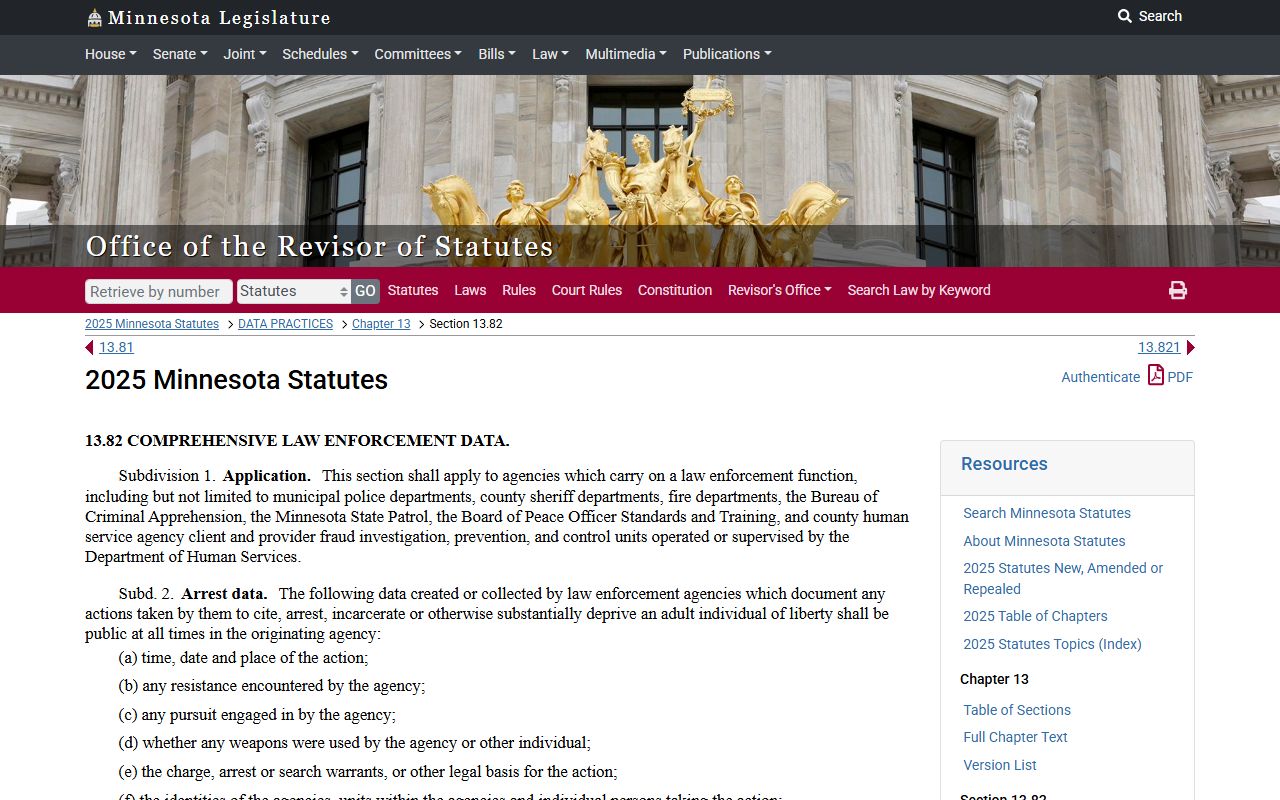
Law enforcement data under § 13.82 includes arrest records, incident logs, and call data that form the core of any Minnesota police blotter report.
Some data stays private. Juvenile records are protected. Information about active investigations may be held back. Identities of undercover officers and informants are not released. Sexual assault victim information is also kept private. When you submit a request, the agency must tell you whether the data is public, private, or not available. They must respond in a prompt and appropriate manner under Minnesota Statutes § 13.03.
How to Get a Police Blotter Report in Minnesota
Getting a police blotter report in Minnesota starts with figuring out which agency handled the incident. If it happened in a city, contact the city police department. If it happened in an unincorporated area, contact the county sheriff's office. Each agency keeps its own records and handles its own requests.
Most sheriff's offices and police departments accept records requests in person, by mail, or by email. You write a brief request that describes the data you want. You do not have to give a reason. You may need to provide the date, location, or case number to help the agency find the right records. Some counties have official data request forms on their websites. Under § 13.03, inspecting records is free. Copies cost up to $0.25 per page for up to 100 pages.
Minnesota Statutes § 13.03 governs how agencies respond to data requests, including response timelines and the fees they may charge for copies of public records.
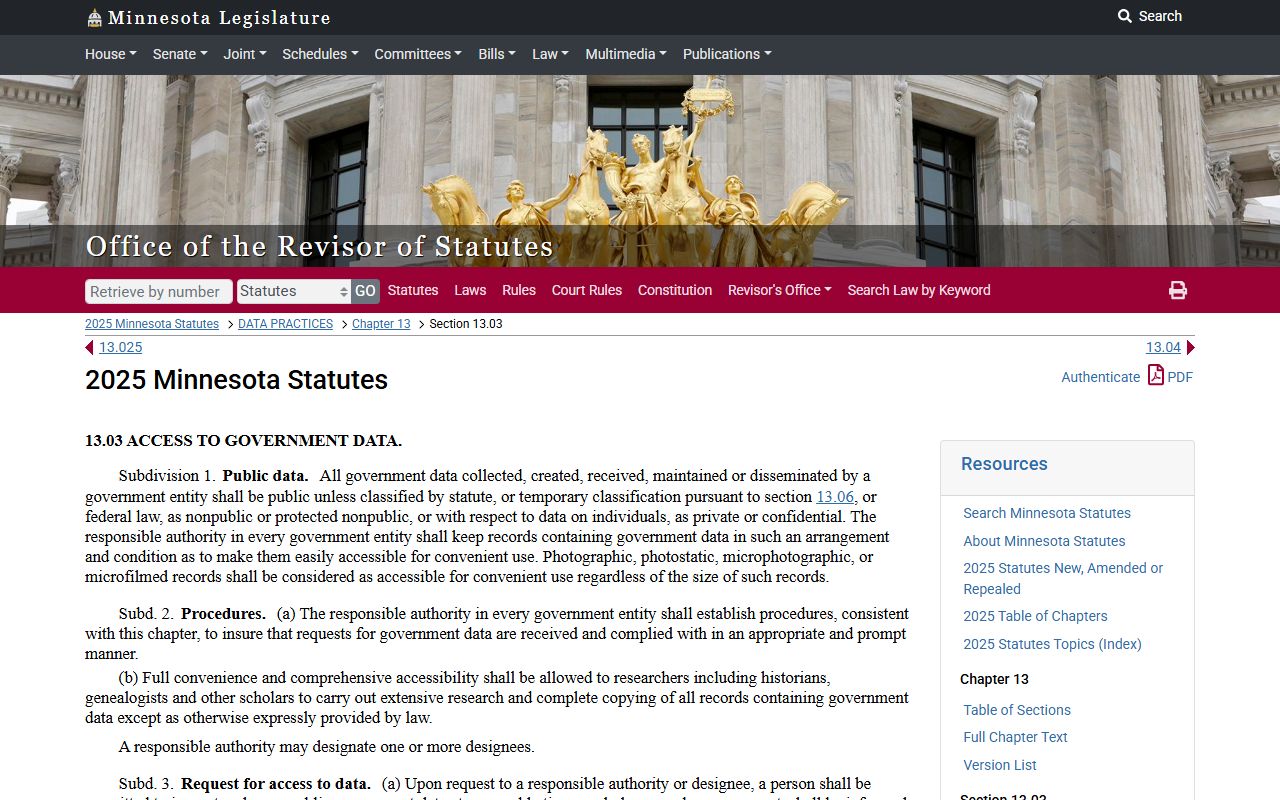
Section 13.03 gives every person the right to inspect public government data at a reasonable time, and sets limits on what agencies can charge for copies of police blotter reports and incident records.
Some counties post their police blotter data openly. Cass County, for example, publishes a weekly crime blotter at cassmosheriff.org. Cottonwood County posts a weekly citizen report through Windom Radio. Brown County's sheriff posts a jail roster with booking photos at brownso.org. For counties without online access, you contact the records division directly during normal business hours, which are typically Monday through Friday, 8 a.m. to 4:30 p.m.
Minnesota Bureau of Criminal Apprehension Records
The Minnesota Bureau of Criminal Apprehension, known as the BCA, is the state's central law enforcement agency. It maintains criminal history records for the entire state. If you need to know whether someone has a prior criminal record in Minnesota, the BCA is the place to go. They also handle forensic services, criminal investigations, and training for local law enforcement agencies.
The BCA keeps records that go beyond what any individual county sheriff can provide. They collect data from all 87 counties and feed it into a statewide system. Criminal history records at the BCA include arrests, charges, and dispositions from courts across Minnesota. You can reach the BCA through the Minnesota Department of Public Safety. Their tip line is 1-877-996-6222.
The Minnesota Bureau of Criminal Apprehension homepage is the central access point for statewide criminal records, forensic services, and law enforcement resources beyond individual county police blotter data.
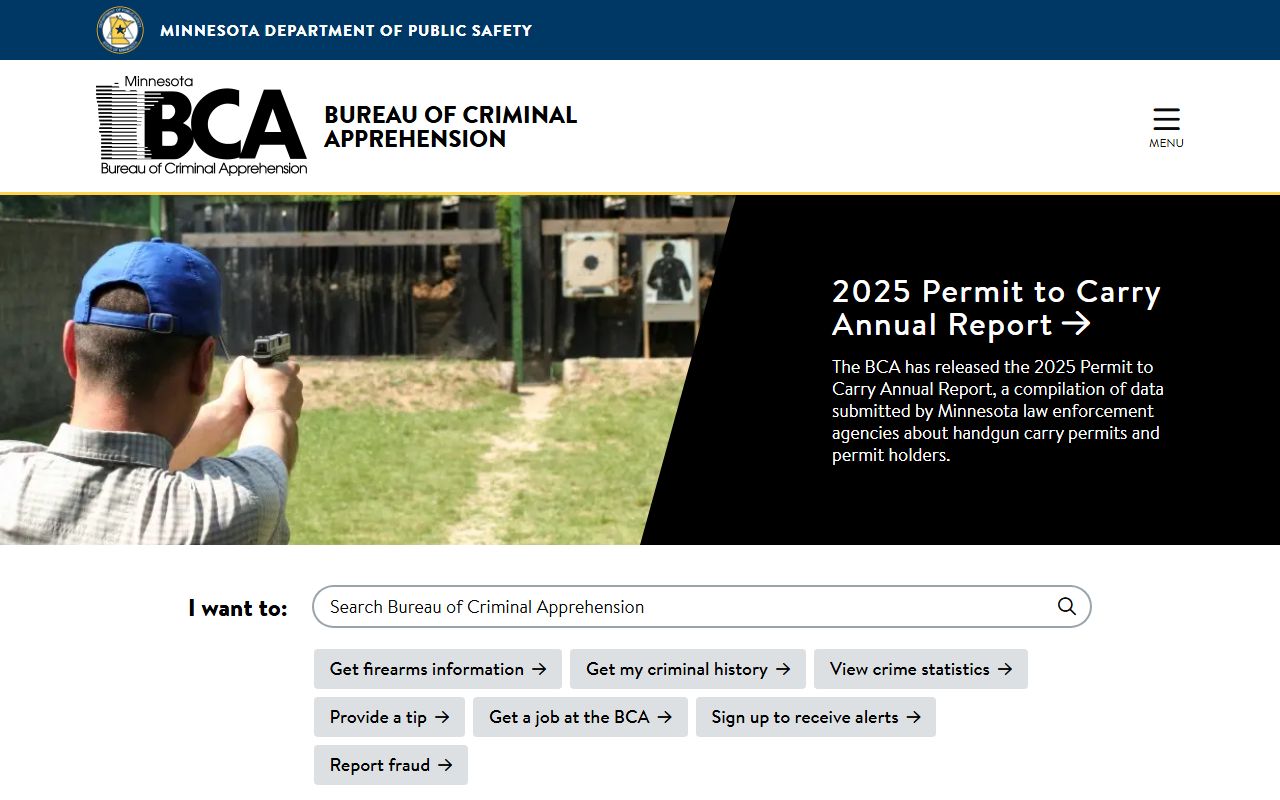
The BCA coordinates law enforcement data across all Minnesota counties and is the authoritative source for statewide criminal history records that supplement local police blotter information.
Minnesota Court Records and Police Blotter Cases
Court records are a natural extension of police blotter data. Once an arrest leads to charges, the case moves into the court system. Minnesota Court Records Online, known as MCRO, lets you search for court cases by name, case number, or case type. It covers District Courts in all 87 counties. The system shows party names, case status, hearing dates, and some docket entries. It is free to use.
You can access MCRO through the Minnesota Judicial Branch website at mncourts.gov. The system links police blotter arrests to court outcomes. If you find a name in a police blotter and want to know what happened in court, MCRO is where you look next. Some records are sealed or restricted, but most criminal case information is public.
The Minnesota Courts website provides access to court records, case calendars, and self-help resources for every District Court in the state.
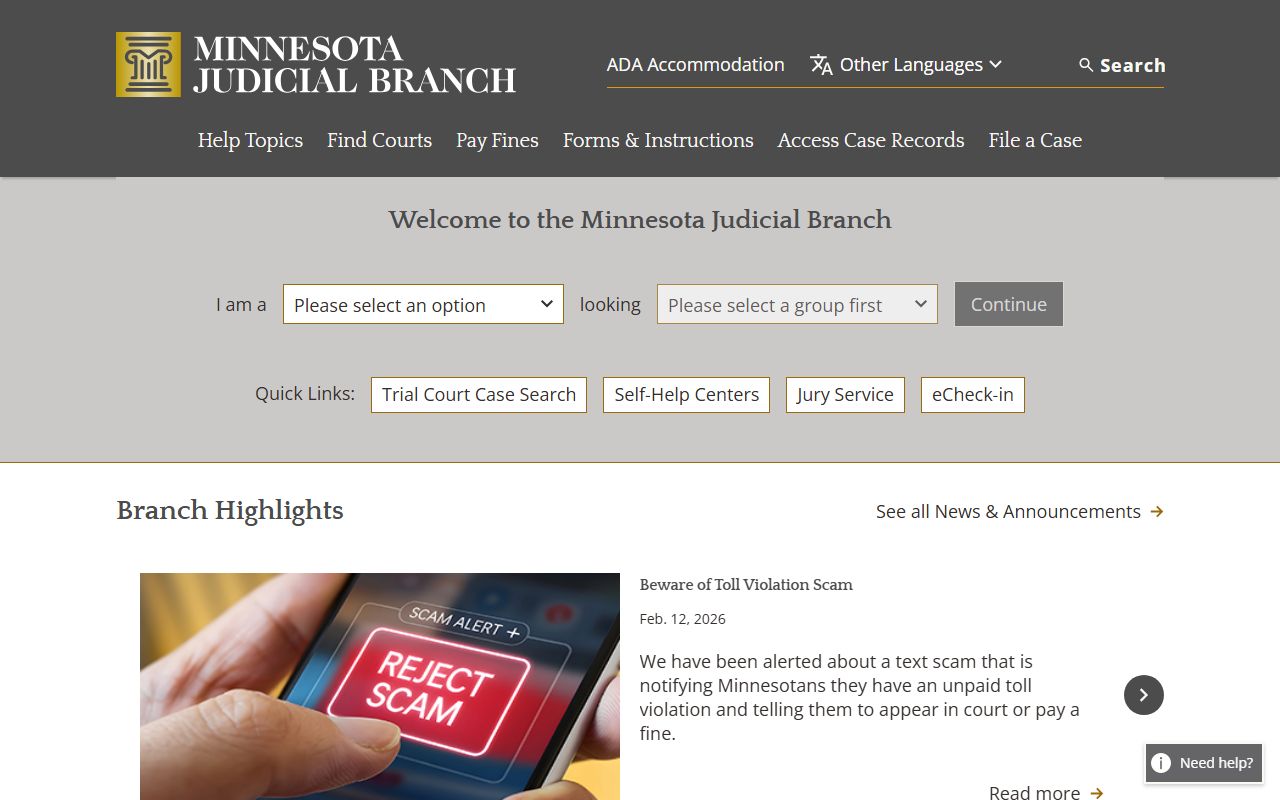
Minnesota court records connect police blotter entries to charges, hearings, and final case outcomes, giving a more complete picture of any arrest or incident found in county law enforcement logs.
County Sheriff Offices and Police Blotter Data
Each of Minnesota's 87 counties has an elected sheriff. The sheriff's office is the primary law enforcement agency for areas outside city limits. In many smaller counties, the sheriff's office also contracts with cities to provide police services. Sheriff's offices keep records of all calls for service, incidents, arrests, and jail activity. This data is what forms the core of a county police blotter.
The Minnesota Sheriffs' Association at mnsheriffs.org is a professional organization that supports all 87 county sheriffs. It does not hold individual county records, but it provides a directory and information about law enforcement standards across the state. For the actual police blotter data, you go directly to each county's sheriff's office.
Sheriff's offices across Minnesota vary a great deal in size. Hennepin County has one of the largest operations in the state. It covers Minneapolis and many suburbs. Hennepin County maintains a jail roster at jailroster.hennepin.us. At the other end, rural counties like Kittson and Traverse have small offices with limited online resources. For those counties, a phone call or written request is the best way to get police blotter records.
The Minnesota Sheriffs' Association connects the 87 elected sheriffs across the state and promotes professional standards in law enforcement records management.
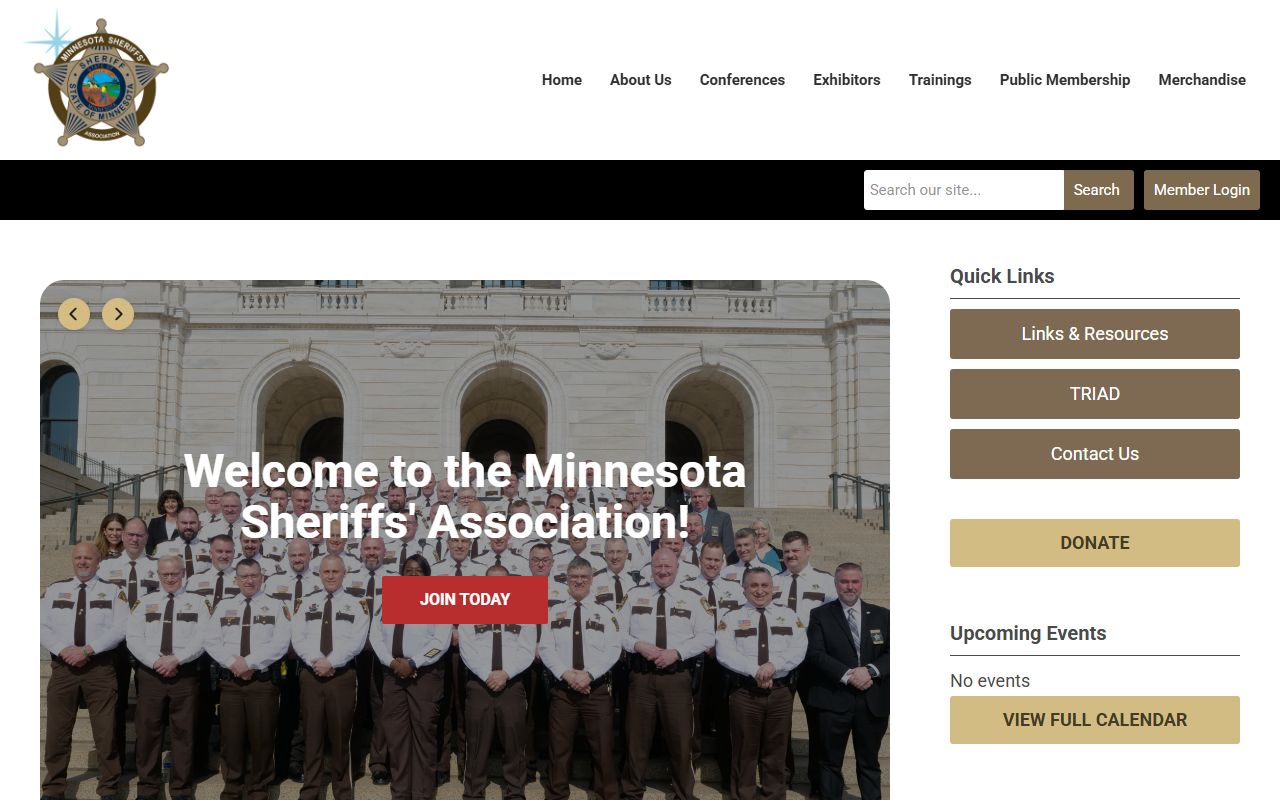
All 87 Minnesota county sheriffs belong to the Sheriffs' Association, which helps coordinate law enforcement practices including public records access and police blotter transparency across the state.
Jail Rosters and Inmate Search Tools
Many Minnesota counties make their jail roster available online. These rosters show who is currently in custody, along with booking dates, charges, and sometimes photos. They are updated throughout the day or hourly depending on the system the county uses. Some counties use third-party platforms. Others post their roster directly on the county website or sheriff's office page.
VineLink is a tool used by many Minnesota counties to track inmate status. You can search by name or offender ID. The system sends notifications when an inmate's status changes. Multiple counties in the state are connected to this platform. Visit vinelink.com to search for inmates across Minnesota counties that are part of the system.
VineLink provides inmate search and victim notification services for counties across Minnesota, letting you search for current jail status by name or offender ID number.
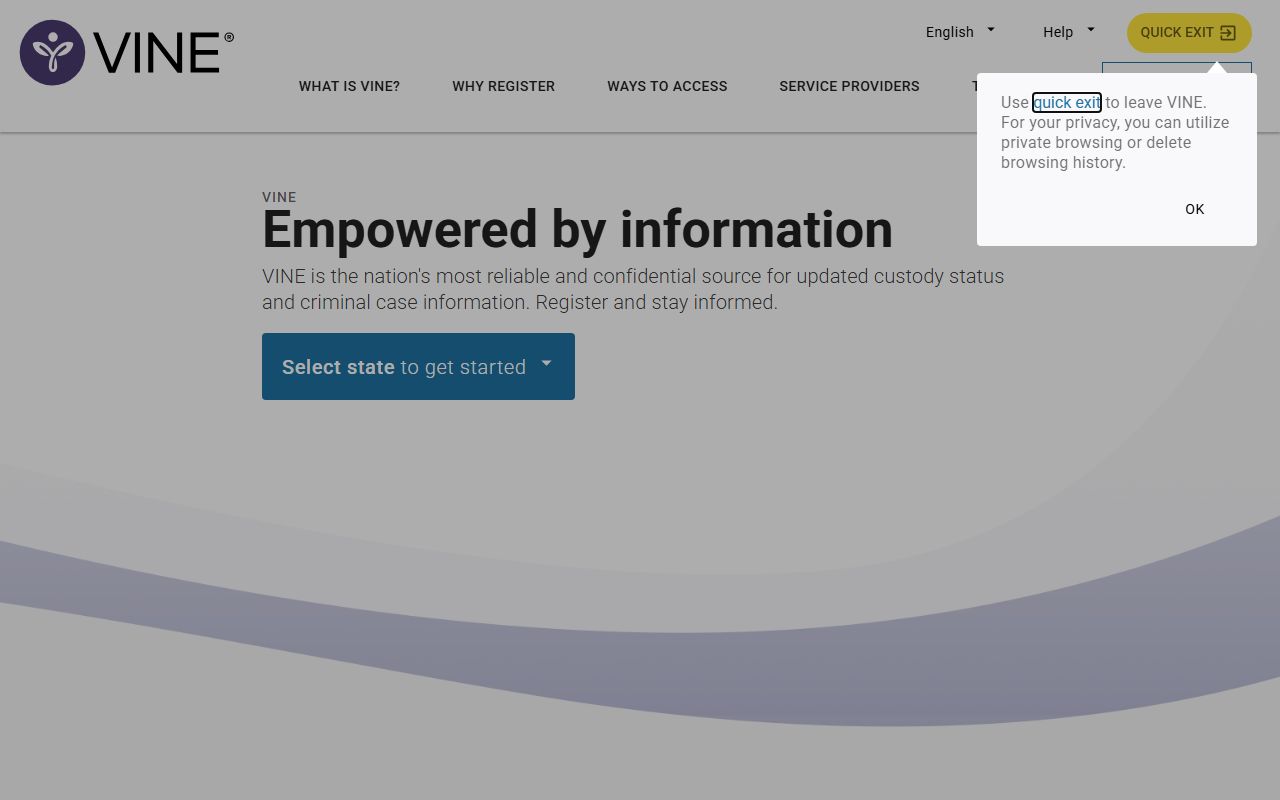
VineLink connects to multiple Minnesota county jails and allows searches for inmate custody status, which is a key source of real-time police blotter and booking data across the state.
Some counties offer their own direct inmate search. Nicollet County maintains a live jail roster at roster.co.nicollet.mn.us. Kandiyohi County has an in-custody list and active warrants database at kcmn.us. Roseau County publishes an active warrant listing at warrants.co.roseau.mn.us. For counties without a direct online search, VineLink or a call to the jail is the next best step.
Online Police Blotter Databases in Minnesota
Online access to police blotter records varies by county. Some counties are very open. Others require you to visit in person or submit a written request. Here is a quick look at what is available online across the state.
Crow Wing County has one of the most accessible systems. Their LENS portal at lens.crowwing.us lets you search criminal case records, warrants, and court calendars. Olmsted County publishes daily activity logs from the sheriff's office at a dedicated public portal. Dakota County maintains a comprehensive transparency portal with body camera policies, use of force data, and records request instructions. Chisago County has a detailed fee schedule online and accepts data requests by mail, in person, or email. Clay County posts incident report summaries at claysheriff.org.
An inmate search portal aggregates Minnesota county jail data to help you find custody information when you do not know which specific county to contact.
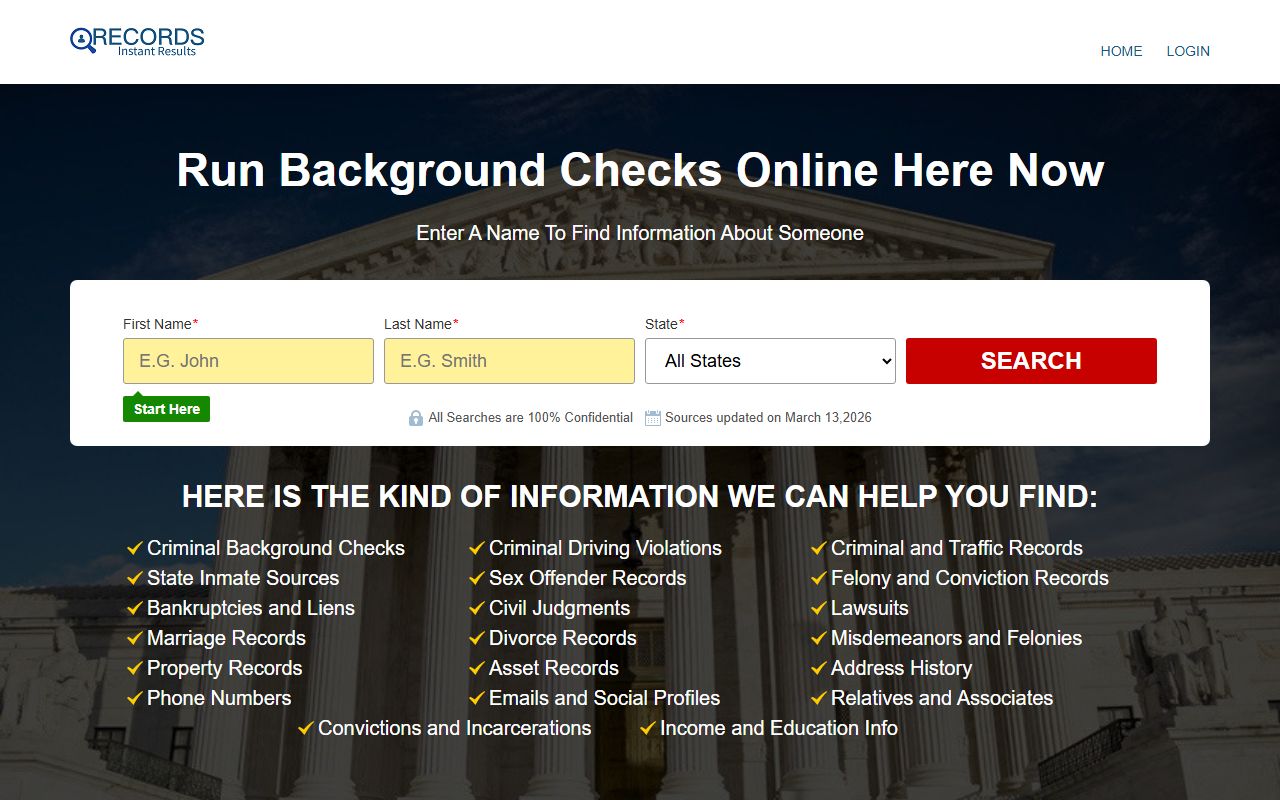
Inmate search portals help link police blotter arrest entries to current custody status, giving a more complete picture of who has been booked in Minnesota jails.
Brown County publishes its jail roster with photos and booking details at brownso.org. The New Ulm Journal posts regular police logs at nujournal.com, covering incidents from the Brown County Sheriff's Office, New Ulm Police, and Sleepy Eye Police. Dodge County publishes its police blotter through the Dodge County Independent newspaper at dodgecountyindependent.com. Brainerd Dispatch regularly publishes Crow Wing County police blotter entries. Local newspapers are a reliable and free source for police blotter data across rural Minnesota counties.
Crime Mapping Tools for Minnesota
Crime maps let you see incident data on a visual map. They pull from police report data and plot incidents by location and type. This is a quick way to see what kinds of calls are common in a specific neighborhood or city. Several Minnesota cities and counties have adopted crime mapping tools in recent years.
LexisNexis Community Crime Map is one tool that some Minnesota agencies feed data into. It shows incident categories, locations, and dates on an interactive map. The platform at communitycrimemap.com covers many jurisdictions. Not every Minnesota county participates, but larger cities and counties tend to have more data available. You can search by address or zip code and filter by incident type.
LexisNexis Community Crime Map aggregates police incident data from participating Minnesota agencies and displays it on an interactive map for public review.
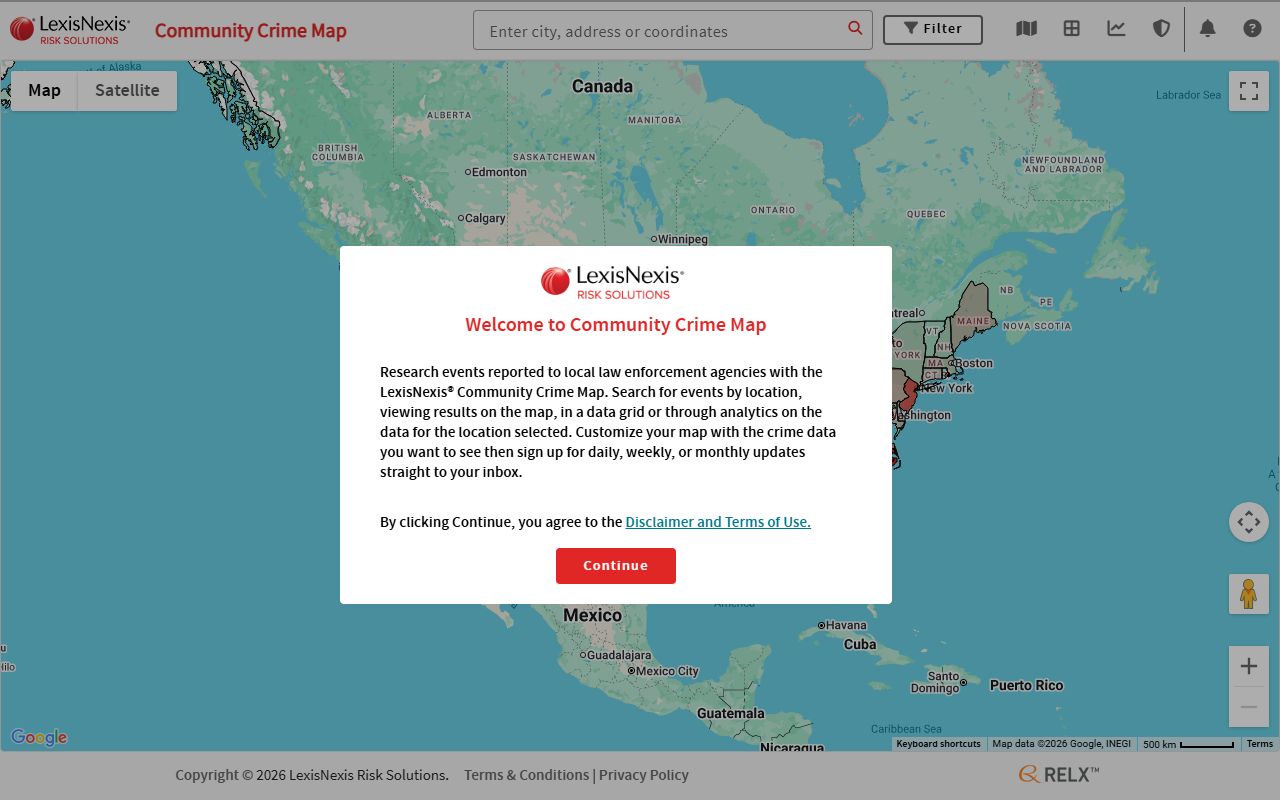
Community crime maps turn raw police blotter data into a visual format, helping residents and researchers identify incident patterns across Minnesota cities and counties.
Minnesota Jail Roster Access and Records
Jail rosters are public records under Minnesota law. Any county jail can be asked to provide a list of current inmates. The roster usually includes the inmate's name, booking date, charges, and sometimes bond amount. Many counties now post this data online, updated automatically or on a regular schedule.
Access methods vary. Some counties use dedicated websites. Brown County posts its roster with photos at brownso.org. Fillmore County posts a daily-updated roster on the county website. Isanti County updates its roster hourly and allows searches by name, booking number, or MNI number. Jackson County has a jail capacity of about 165 inmates and uses video visitation through a vendor system. For counties without online rosters, the jail can usually answer questions about current inmates by phone.
A jail roster directory helps you locate contact information for Minnesota county jails and find out how to access booking records tied to police blotter arrest entries.
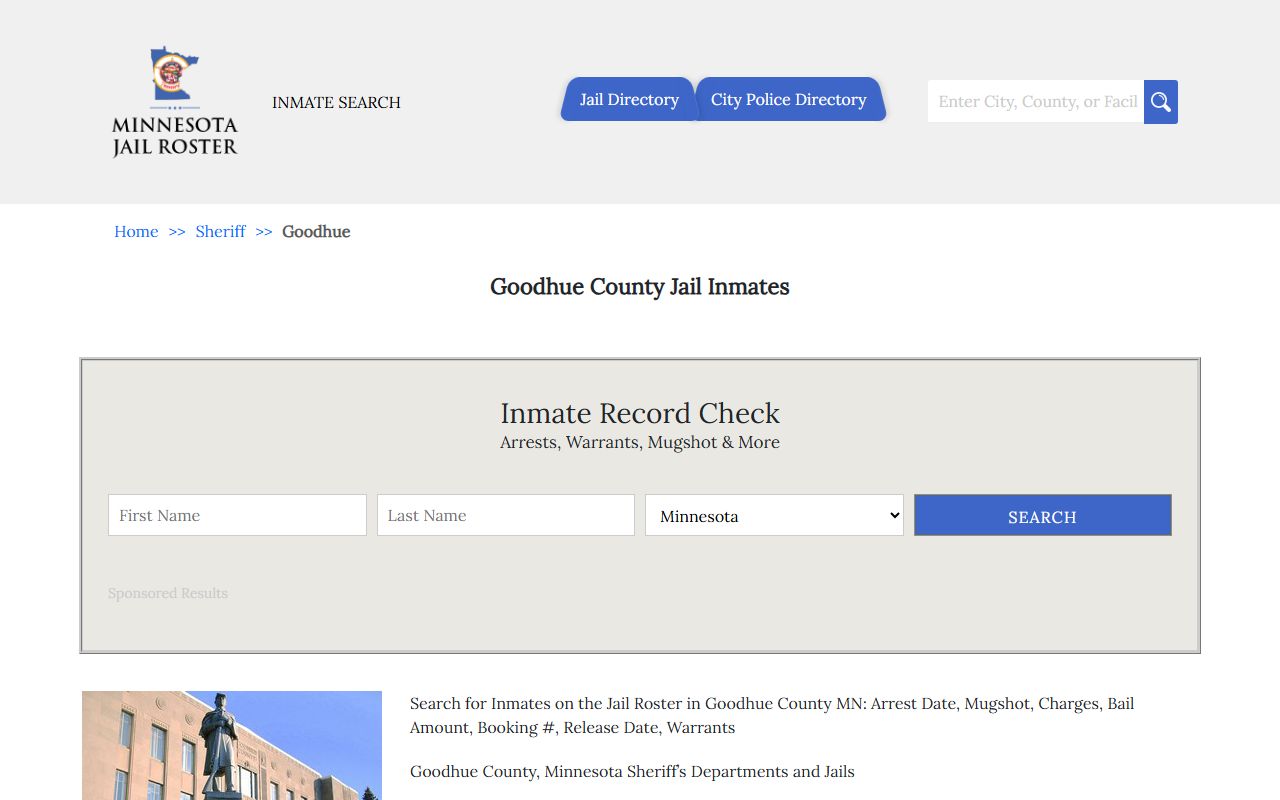
Jail roster data is the most immediate output of a police blotter arrest, showing who has been booked, on what charges, and how long they have been in custody at each Minnesota county facility.
Note: Jail roster data reflects bookings at a given time and may not show recent activity. Always confirm with the jail directly if you need current or time-sensitive custody information.
Browse Minnesota Police Blotter by County
Each of Minnesota's 87 counties has its own sheriff's office and records division. Pick a county below to find contact info, local resources, and details on how to access police blotter records in that area.
View All 87 Minnesota Counties
Police Blotter Records in Major Minnesota Cities
Residents of major cities can find police blotter data through their city police department or the county sheriff's office that serves their area. Pick a city below for local resources and contact information.